Projects That Deliver Real Impact

Explore how our solutions are transforming rural communities, from clean water supply and pasture irrigation to smart monitoring and water management systems.

Construction

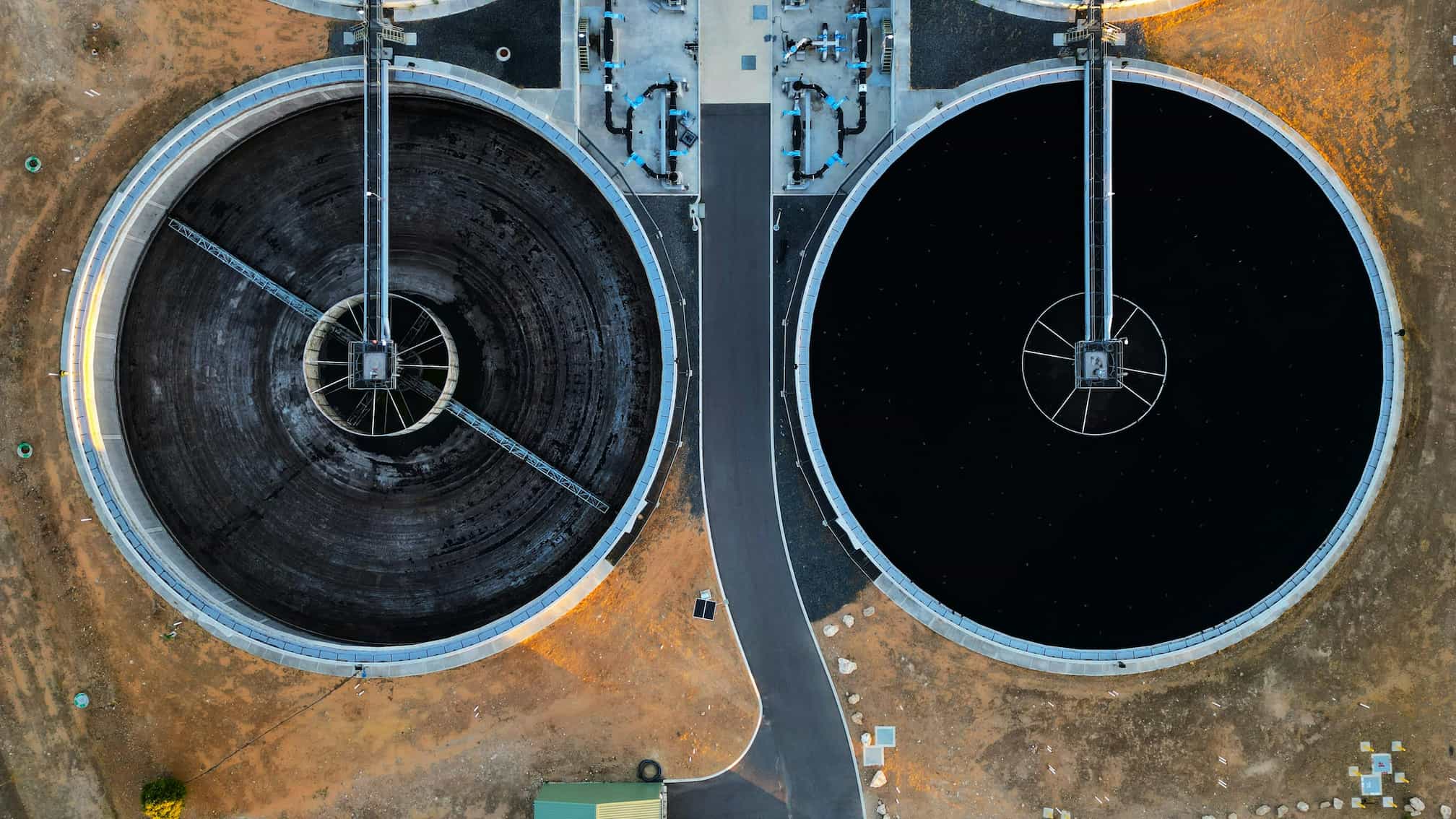
Construction of the “Mangit” water treatment plant with a capacity of 40,000 m³/day in the Amudarya district (new construction)

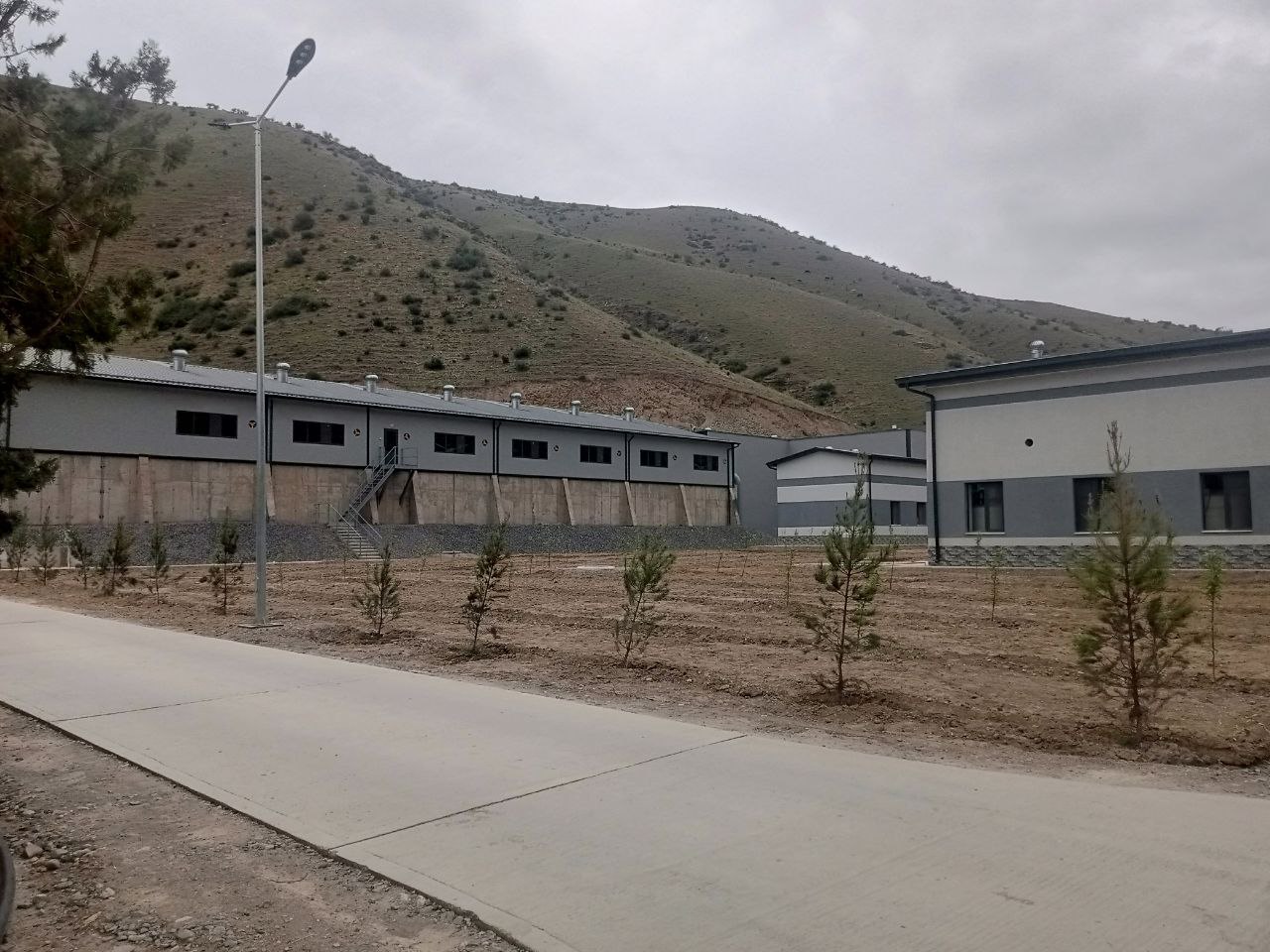
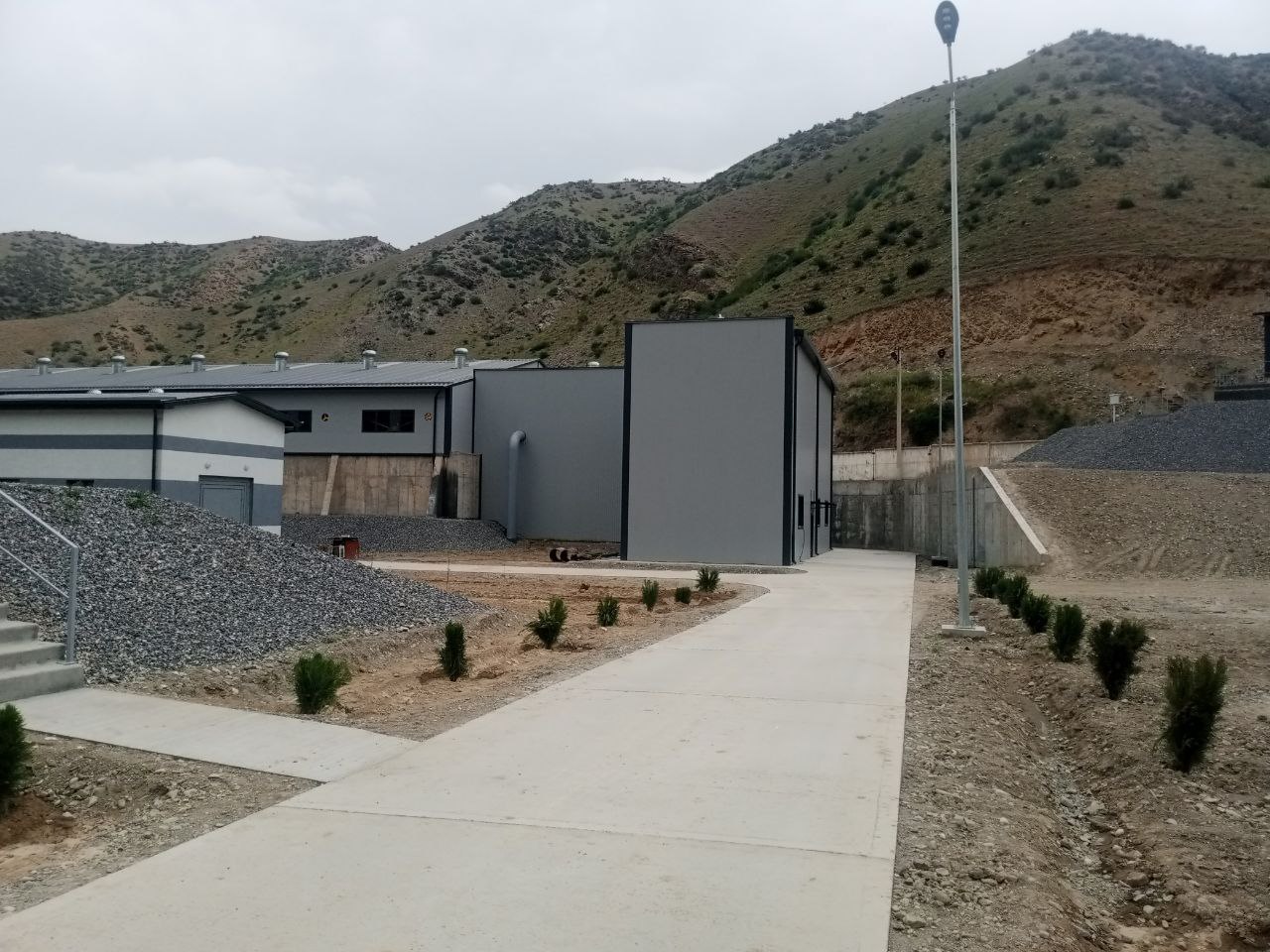
The Mangit water treatment plant, located in the Amudarya district, is a new facility with a capacity of 40,000 m³/day, financed by the Asian Development Bank. Construction began in 2024 and commissioning is scheduled for 2025 with a total project cost of $12,989,500.

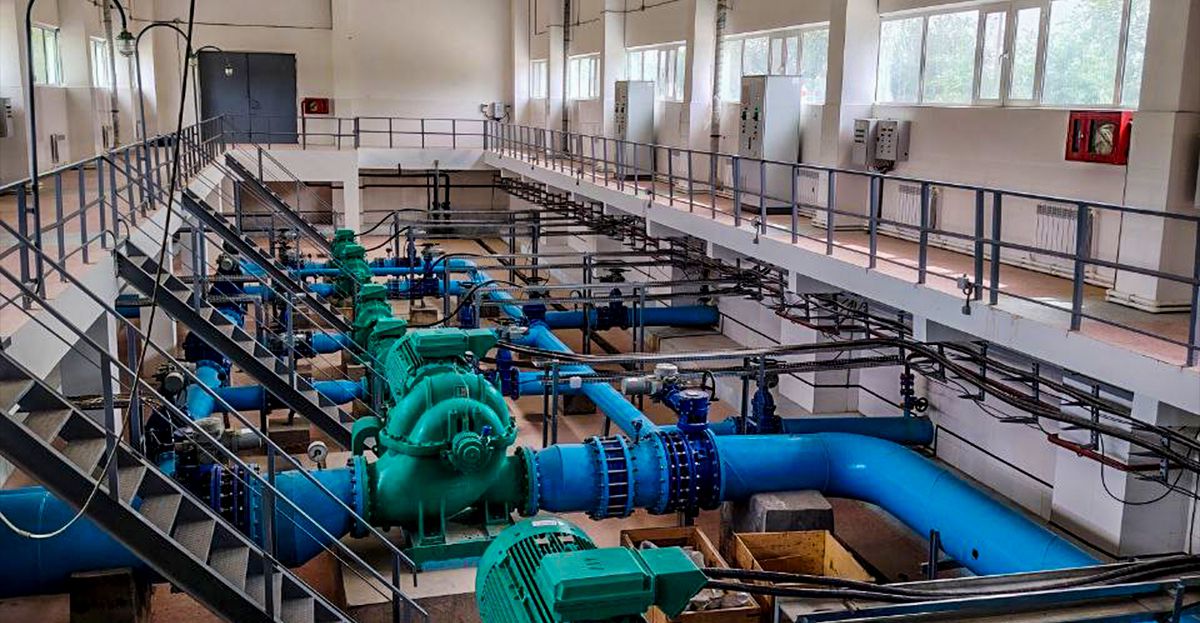
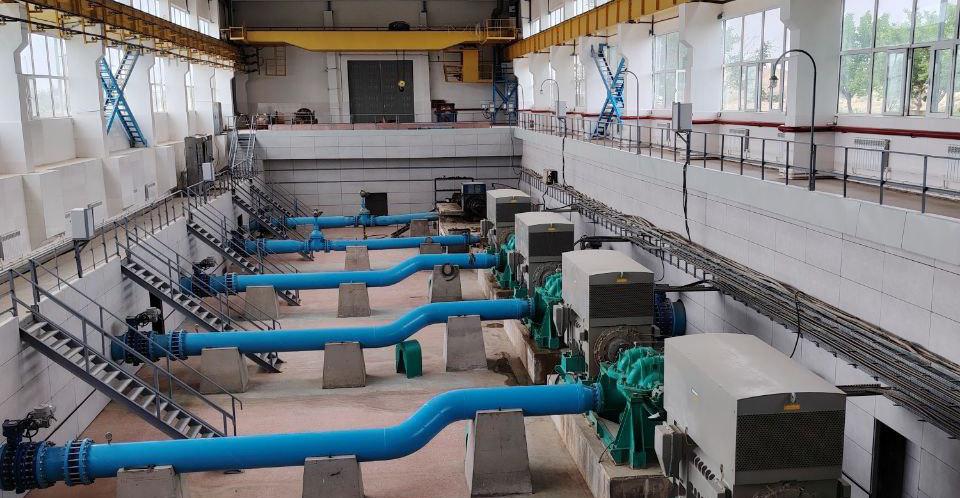
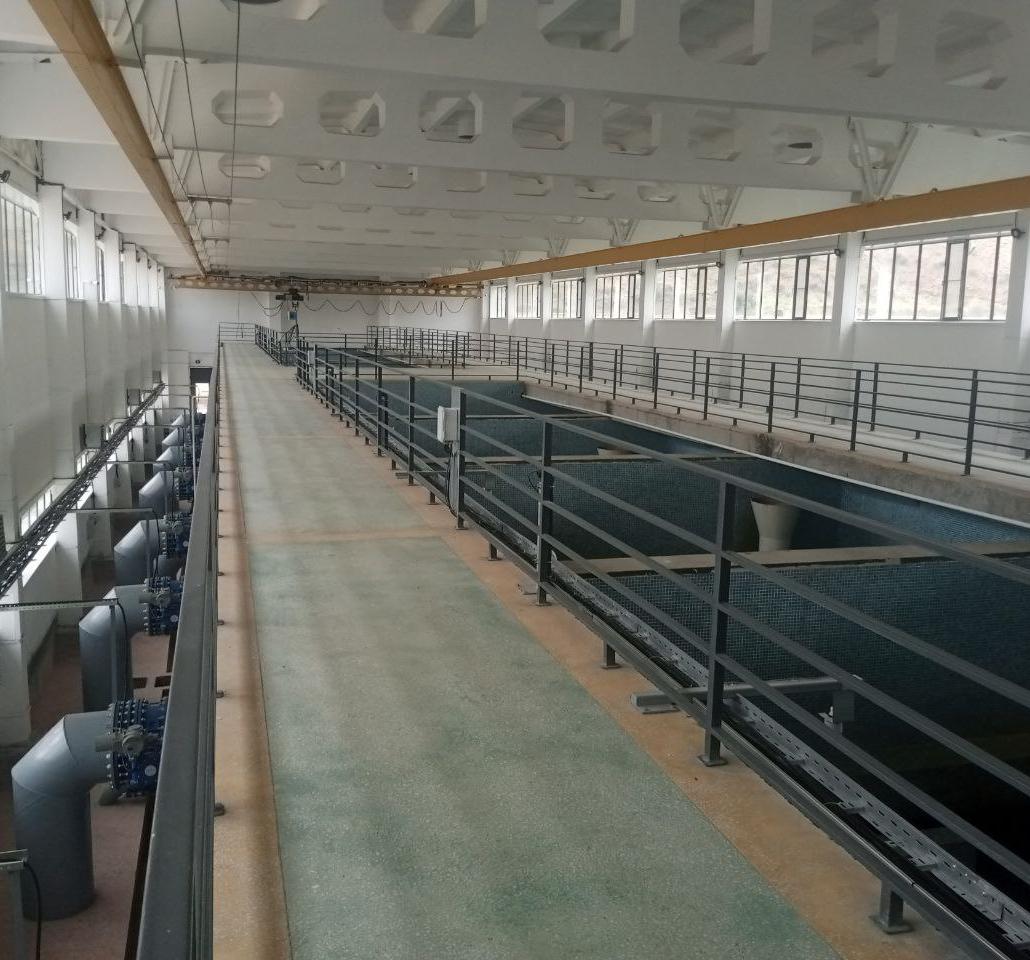
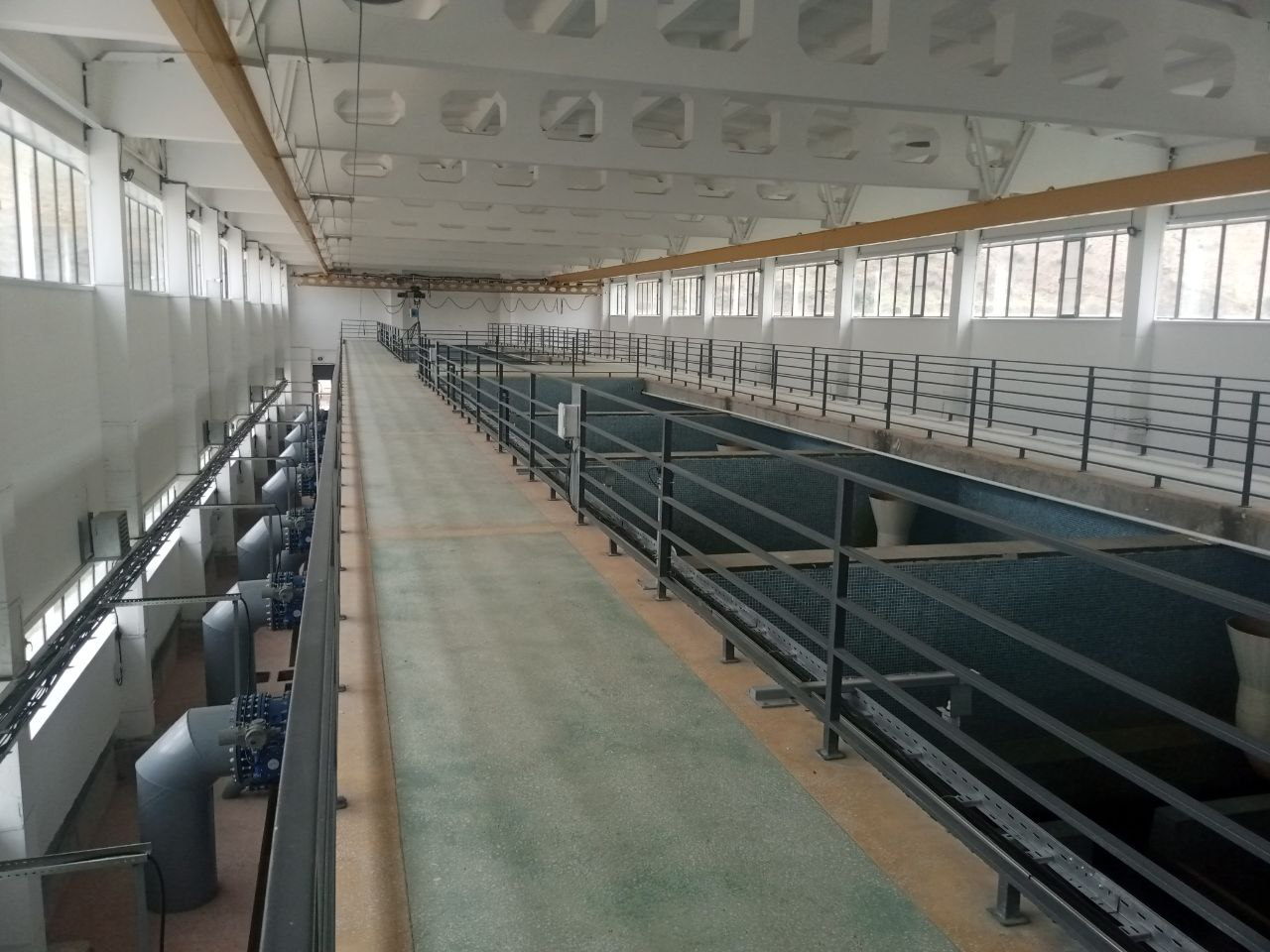
The plant includes first- and second-lift pumping stations, horizontal sedimentation tanks, rapid mixing and flocculation chambers, filtration facilities, clean and wash water reservoirs, sludge storage ponds, a chlorination unit, and full reagent management infrastructure, along with administrative, laboratory, and maintenance buildings.

Process equipment features pumps and dosing systems by Grundfos and Flygt, shut-off valves from Tianjin Tanggu TWT Valve Co., Ltd., compressors from Guangzhou AirHorse Compressor Co., Ltd., and mechanical treatment equipment produced by ASM Aritma Sistemleri. Automation is managed through a SCADA system based on Siemens, with instrumentation supplied by Endress+Hauser and Chemitec.

Construction

Construction and reconstruction of sewage systems in the district center of Khanka. Construction of the “Khanka” sewage treatment plant with a capacity of 4,000 m³/day (new construction)

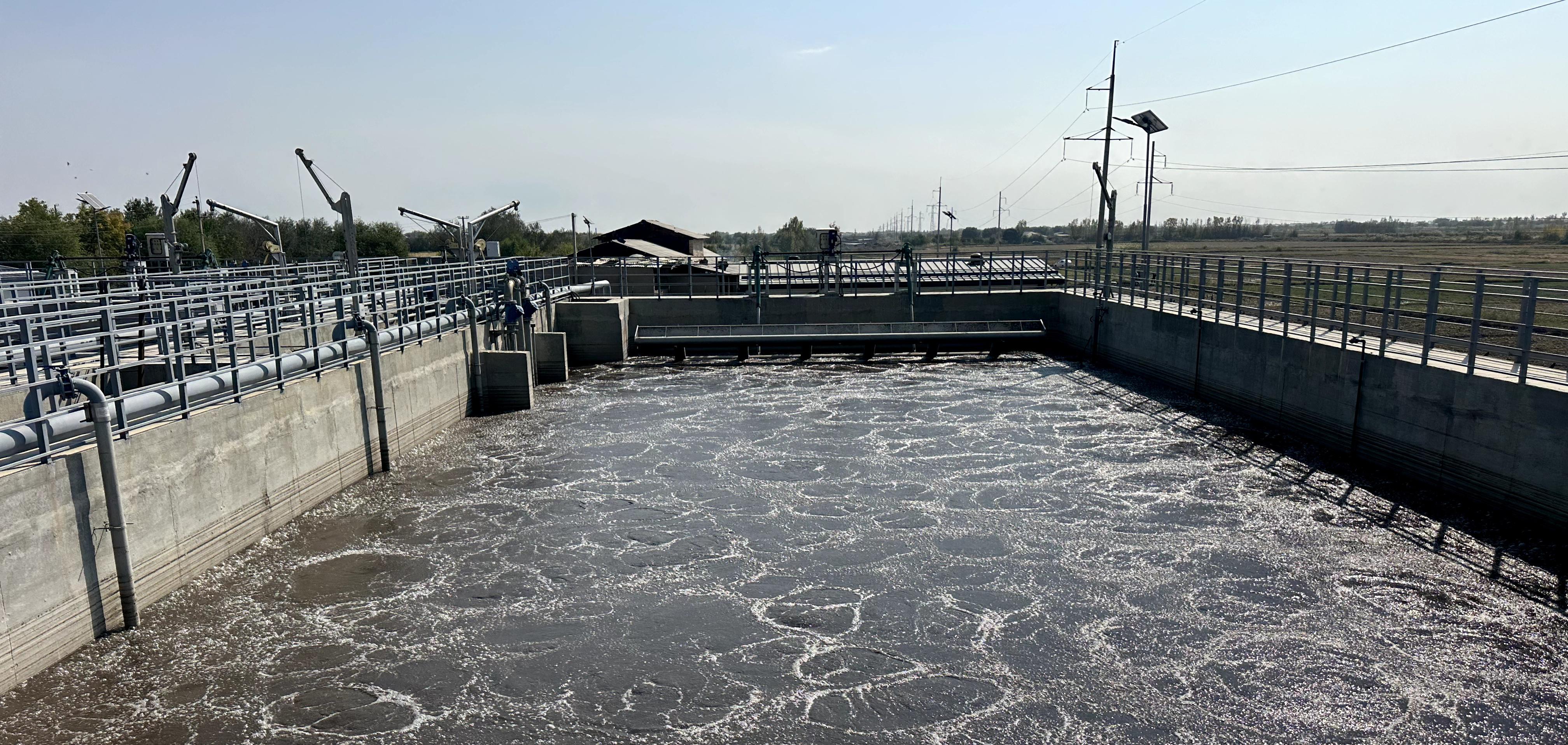
Construction and reconstruction of sewage systems in the district center of Khanka included the development of the “Khanka” sewage treatment plant with a capacity of 4,000 m³/day (new construction).

The total project cost amounted to 44,639,308,809 sum ($3,871,243.50). Construction began in 2021 and the facility was commissioned in 2023.

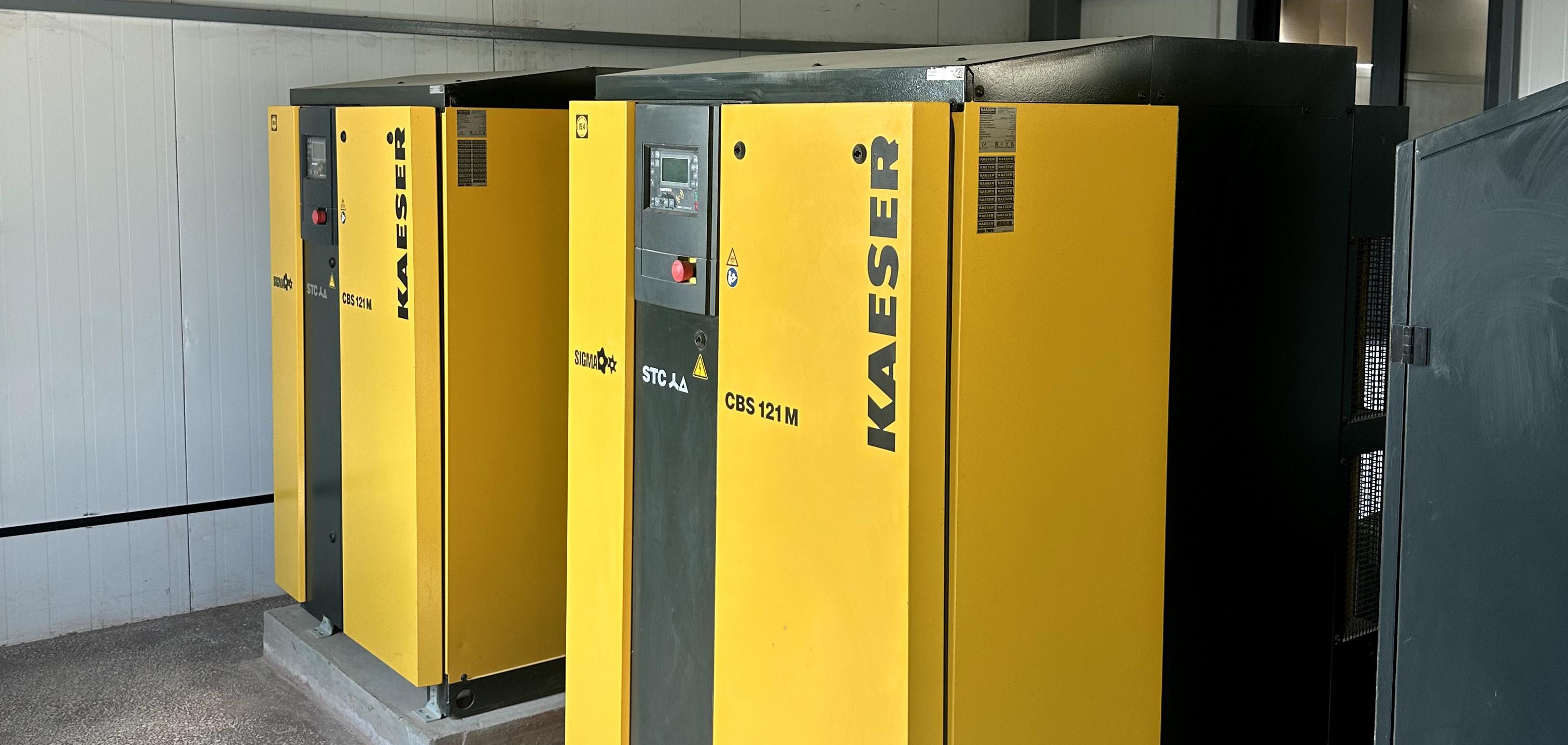
The wastewater treatment plant operates using SBR (Sequencing Batch Reactor) technology, ensuring efficient biological treatment of wastewater. The facility is equipped with submersible pumps and mixers manufactured by Grundfos, shut-off and control valves from FAF Valve Company, blowers from KAESER Kompressoren, and measuring instruments supplied by Endress+Hauser. Process automation and monitoring are carried out through a SCADA system based on Siemens. Mechanical equipment, including gate valves, mechanical rake screens, sand traps, sand removal scraper mechanisms and decanters, was manufactured by ASM Aritma Sistemleri.talled.

As part of the project, the following facilities were constructed: sewage pumping stations (4 complete units), sequential process reactors with sludge tanks (2 units), intake grille chambers with sand traps, contact tank, sludge drying areas, electrolysis unit, air station building, transformer substation, and other supporting infrastructure necessary for stable and continuous plant operation.

Construction

Comprehensive reconstruction of the Zaamin water treatment plant with a capacity of 50,000 m³/day in the Zaamin district of the Jizak region (reconstruction)

Project cost — 59,341,421,287 sum ($5,024,037.69). Construction started in 2021 and the facility was commissioned in 2024.

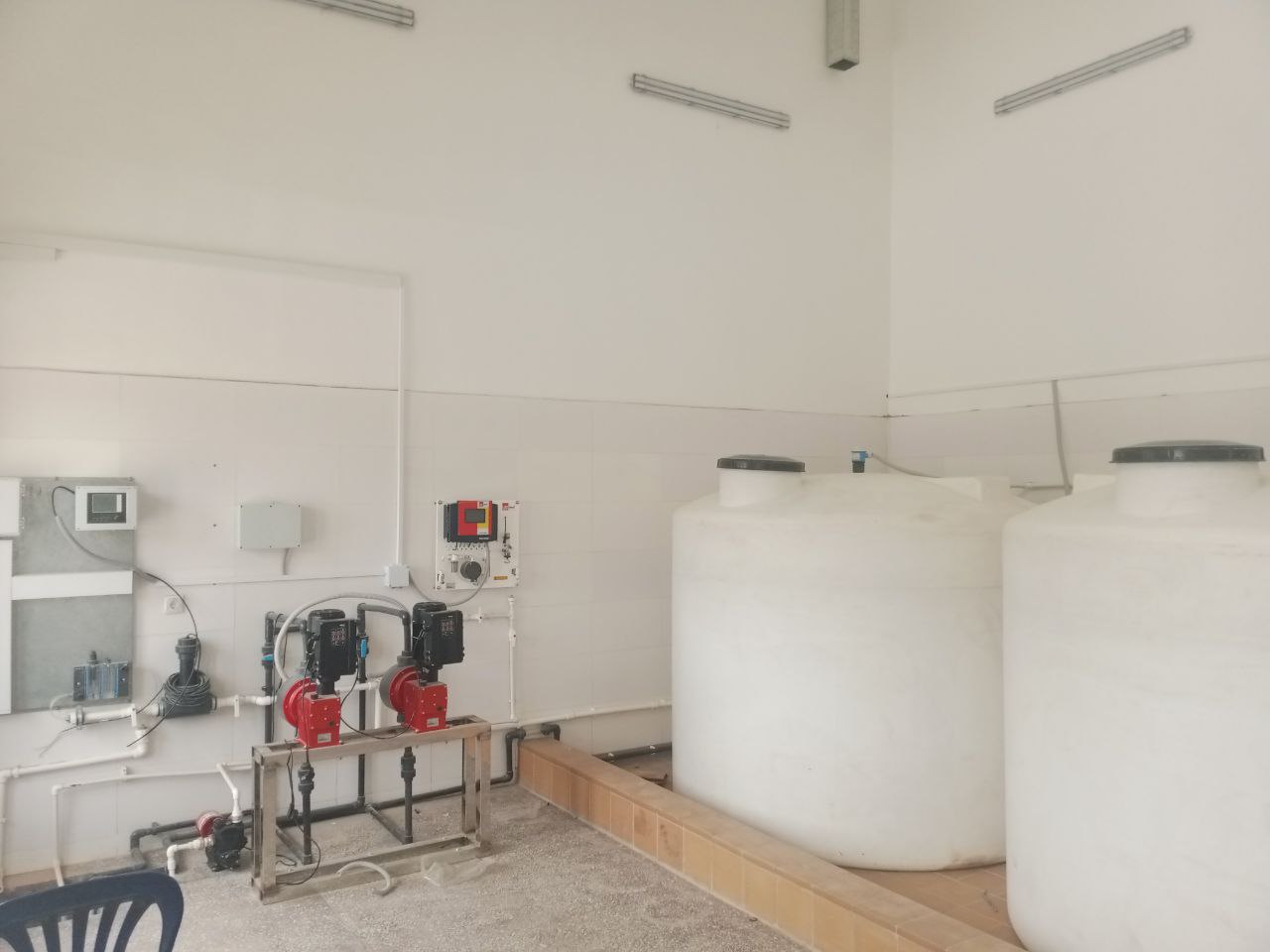
During the reconstruction a new-generation reagent management system using aluminum oxychloride was installed. Chemical pumps and a dosing station manufactured by Grundfos were mounted, together with blowers produced by KAESER Kompressoren. The facility also received centrifugal horizontal double-entry pumps and vertical centrifugal pumps from Grundfos.

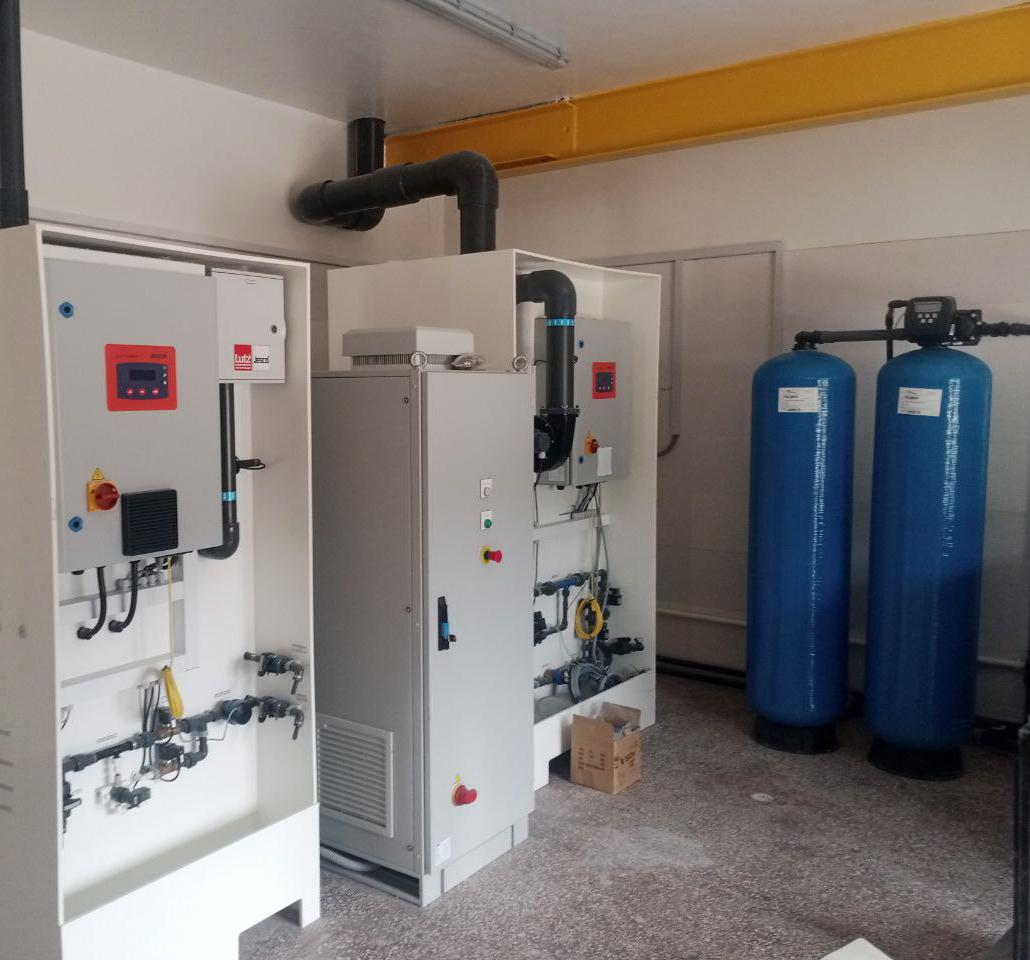
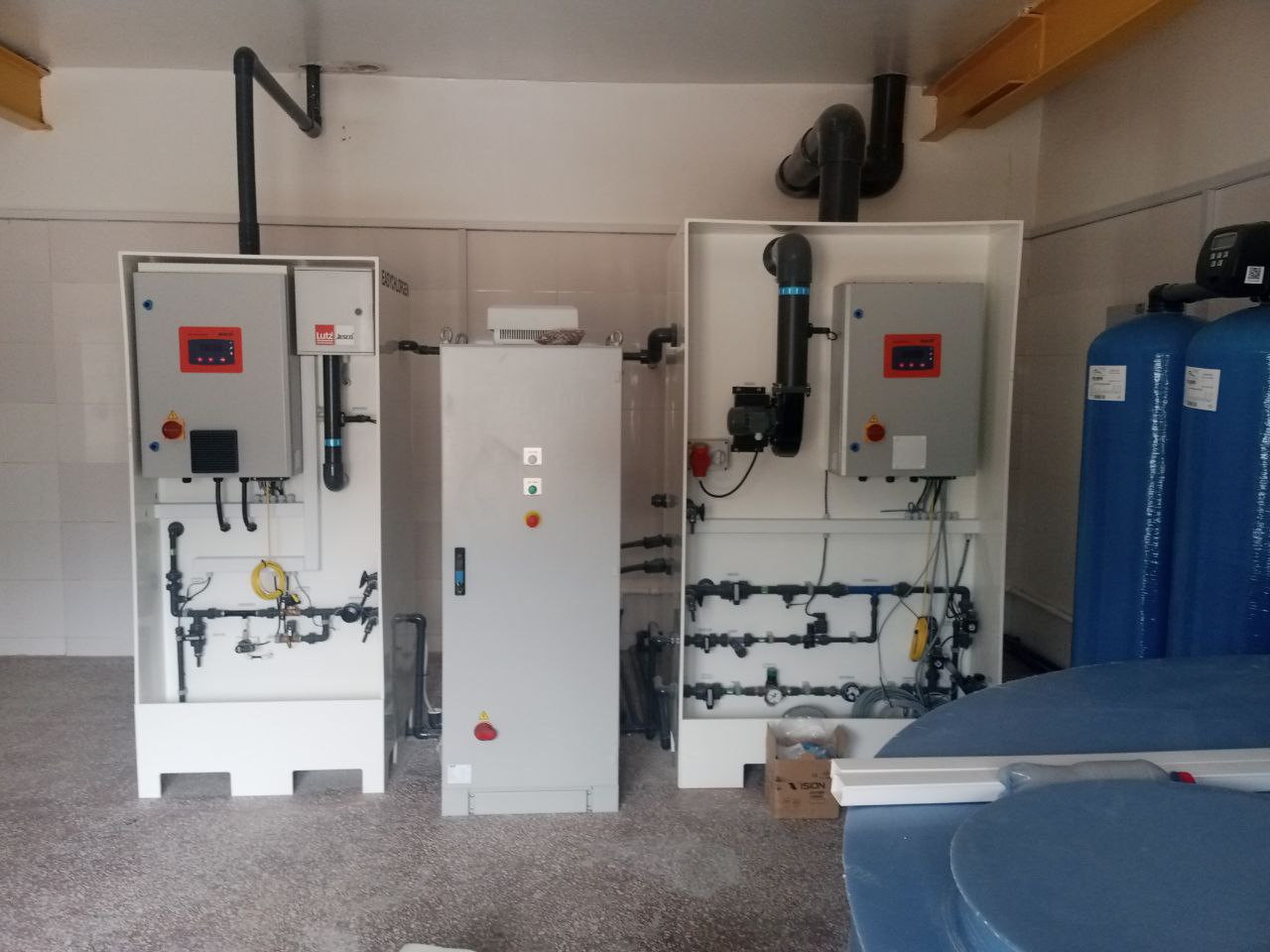
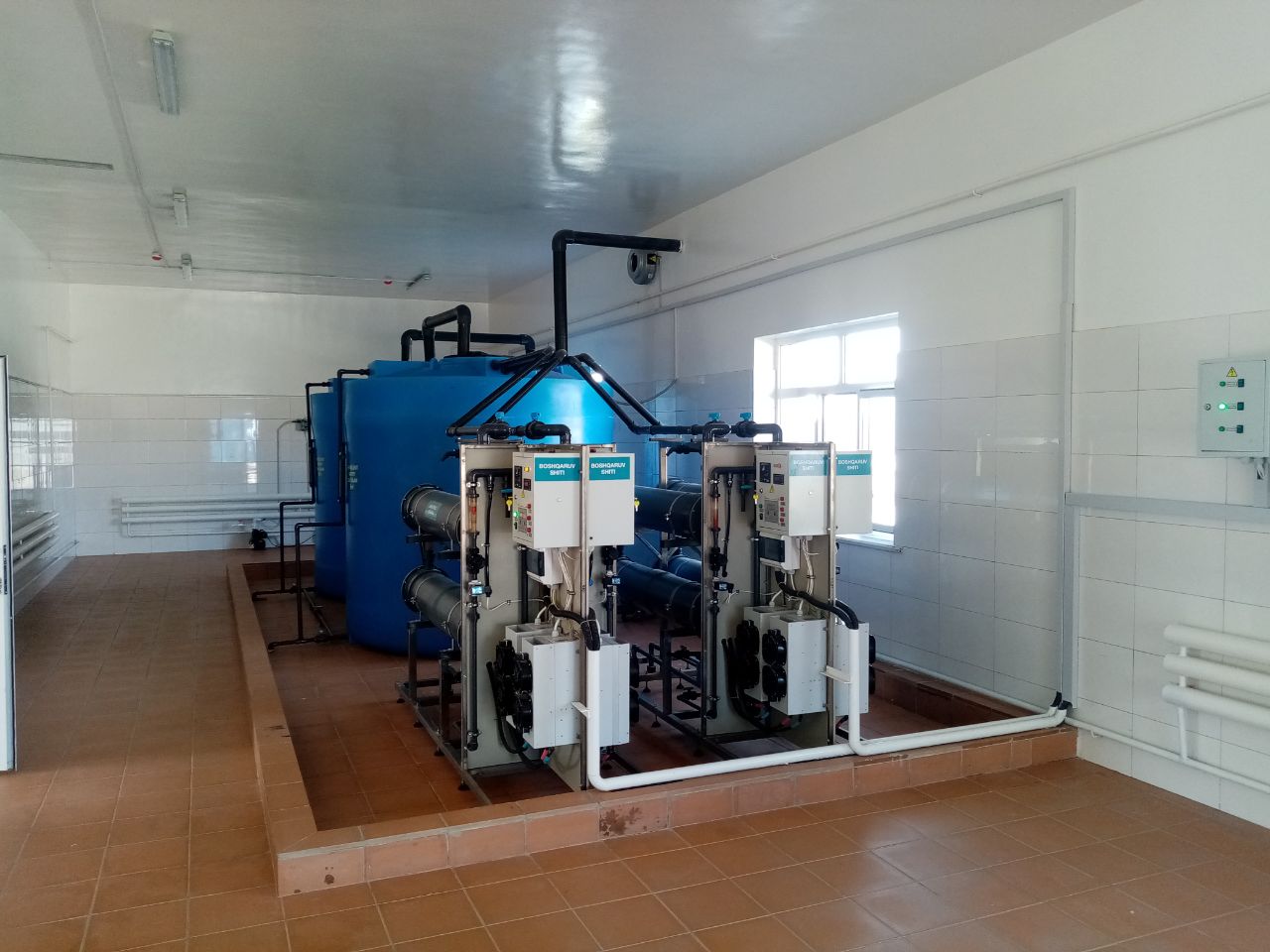
Shut-off and control valves from Tianjin Tanggu TWT Valve Co., Ltd. were installed in the pipeline system. An electrolysis unit with a capacity of 8.5 kg/h manufactured by Lutz Pumpen & Lutz-Jesco was implemented. Automation of technological processes was carried out through a SCADA system based on Siemens, and measurement instrumentation supplied by Endress+Hauser was installed.

As part of the reconstruction the following facilities were built: water intake structure, reagent management unit, vortex mixers, horizontal sedimentation tanks, filter station, two clean water reservoirs of 3,000 m³ each, electrolysis building, pump station for filter flushing and internal needs, administrative and laboratory building, diesel power station canopy, passageway, 630 kW and 1,000 kW transformer substations, operators’ house, utility building and sludge storage tanks.

Construction

Improvement of the drinking water supply system in the Jizak Region by using water from the Zarafshan River. Construction of the “Uzunbulok” WTP with a capacity of 100,000 m³/day in the Bakhmal District of the Jizak Region (new construction)

The project to improve the drinking water supply system in the Jizak Region uses water from the Zarafshan River and includes the construction of the “Uzunbulok” Water Treatment Plant in the Bakhmal District with a capacity of 100,000 m³/day. Construction was carried out from 2019 to 2021, with a total cost of 92,316,660.967 UZS (approximately $8,709,118.95).

Due to the natural terrain, raw water enters the plant by gravity and the treated drinking water is also delivered to consumers without additional lifting, ensuring energy-efficient operation. The facility is equipped with modern technologies, including vertical centrifugal and submersible filter-washing pumps by Wilo (Germany), shut-off and control valves by Tianjin Tanggu TWT Valve Co., Ltd. and Tecofi (France), shield valves by Tecofi, an electrolysis unit with a capacity of 12.5 kg/hour produced in Uzbekistan, and precision measuring instruments from Endress+Hauser (Switzerland). Monitoring and operation are managed through a SCADA system based on Schneider Electric.

As part of the project, key treatment facilities were built: reagent facilities, flocculation chambers, horizontal sedimentation tanks, filter station and control room, clean and technical water reservoirs, sludge storage tanks, and a pump station for internal needs. Supporting infrastructure includes an administrative and laboratory building, checkpoints, warehouse, repair workshop, garage, and auxiliary utility structures, ensuring reliable and continuous operation of the water treatment plant.

Construction

Construction of the “Kadyrya-Selskaya” WTP with a capacity of 100,000 m³/day in the Kibrai District of the Tashkent Region (new construction)

The “Kadyrya-Selskaya” Water Treatment Plant (WTP) in the Kibrai District of the Tashkent Region is a new construction project with a design capacity of 100,000 m³/day. The project was implemented between 2019 and 2022 with financing from the Asian Development Bank. The total project cost amounted to $12,511,957.06.

The facility is equipped with advanced technological solutions, including centrifugal horizontal double-entry pumps, chemical pumps, and submersible pumps for filter flushing manufactured by Wilo (Germany), as well as shut-off and control valves from Tecofi (France). The treatment process incorporates a 12.5 kg/hour electrolysis unit produced in Uzbekistan and a dosing station supplied by Lutz Pumpen & Lutz-Jesco (Germany). A modern SCADA automation system based on Schneider Electric (France) ensures efficient monitoring and operational control.

As part of the project, key water treatment and auxiliary infrastructure was constructed, including water intake facilities, first and second lift pump stations, reagent facilities, flocculation chambers, horizontal sedimentation tanks, filter stations, control rooms, and reservoirs for technical and clean water. In addition, supporting buildings such as an administrative and dispatch center, laboratory, transformer substations, maintenance workshop, warehouse, garage, and checkpoint were built to ensure reliable and continuous plant operation.

Design

Drinking Water Supply Projects for Remote Villages with Mitsubishi Corporation (2000)

At the end of 2000, the company, in collaboration with MITSUBISHI CORPORATION, prepared projects to provide drinking water to hard-to-reach rural settlements in Navoiy Region. The project proposals were approved by the Ministry of Foreign Affairs of Japan for grant financing and submitted to the Ministry of Macroeconomics and Statistics and the Ministry of Water Resources of the Republic of Uzbekistan.

Infrastructure

Emergency Deployment of “AQUAMIN” Desalination Unit (2000)

In response to an extreme water shortage at the end of December 2000, the company supplied a containerized “AQUAMIN” desalination unit for drinking water provision in Karakalpakstan for testing purposes. The unit represents a joint technology of Minatommash and Glavkosmos (Russia) and has undergone extensive testing on the Mir space station and in various locations worldwide. Plans include establishing a joint venture for the production of containerized desalination units for drinking water preparation in Samarkand.

Production

MINIKLAR Compact Wastewater Treatment Project (2000–Present)

Since 2000, in cooperation with INTERSIGMA INDUSTRIAL (Czech Republic) and the State Property Committee of the Republic of Uzbekistan, consulting services have been provided and a project has been implemented to establish a joint venture based on AOOT "Namangannagromash." The project involves the production of compact wastewater treatment plants with capacities ranging from 15 to 2,500 equivalent residents. The proposed MINIKLAR facilities are compact biological reactors featuring zero-waste production and complete elimination of unpleasant odors. The projected participation of foreign investors by 2010 was estimated at approximately USD 100 million.

Production

Water Meter Production Project with ABB Partnership (2000–Present)

Based on the developments and initiative of OBI HAYET, together with the founders of ABB (United Kingdom) and the Hokimiyat of Tashkent city, a project for the production of water meters of various capacities has been implemented since 2000. The participation of the foreign investor in the project is valued at USD 1,934,000.

Infrastructure

Khorezm Rural Drinking Water Supply Program (KfW Partnership, 1998–Present)

Since September 1998, under the state guarantee of the Republic of Uzbekistan and in cooperation with KfW Bank (Germany), the company has been developing and implementing an investment project under the Resolution of the Cabinet of Ministers of the Republic of Uzbekistan No. 243 dated June 8, 1998: “Drinking Water Supply Program for Rural Settlements of the Khorezm Region.” Within this project, OBI HAYET has been designated as the implementing organization, customer, and operating authority. KfW Bank allocated financial resources totaling 23 million German marks, including: 20 million German marks as a concessional loan with a 40-year repayment period, a 10-year grace period, and an interest rate of 0.75% per year, 3 million German marks as a non-repayable grant. The project aims to provide over 50,000 rural residents with high-quality drinking water. The initiative introduces a new concept of operational services and management models based on European standards, adapted to the market conditions of Uzbekistan. Loan repayment is planned through revenue generated from water sales to consumers.

Design

Pilot Rural Water Supply Projects in Khorezm Region

In 1996–1997, the “Obi Hayot” Association, together with the international consultant SRP, implemented Pilot Projects for small-scale rural drinking water supply facilities in the Khorezm region, funded by a KfW Bank (Germany) Grant of 1.5 million German marks. More than 4,000 people in the kolkhozes “Ok Oltin” of Urgench district and “Karakum” of Khiva district gained access to clean drinking water. The investment approach applied advanced practices used in European countries. Comprehensive socio-economic, topographic, and engineering-geological studies were carried out. The projects adopted new technical solutions using energy-efficient technologies in containerized water treatment and distribution units by SIEMENS and WABAG. For water disinfection, sodium hypochlorite produced on-site from table salt in an electrodialysis container unit is used, along with a modern ultraviolet bactericidal system.

Design

SIEMENS Containerized Water Treatment Project (1995–1998)

From 1995 to 1998, the company implemented the project “Containerized Units for the Treatment and Distribution of Drinking Water using SIEMENS Technology.” This project was financed by KfW Bank through a commercial loan guaranteed by the Government of the Republic of Uzbekistan. The contract value amounted to 12,716,000 German marks. With the invested funds, 55 containerized water treatment and distribution units were purchased, installed, and commissioned, including 11 containerized units for producing sodium hypochlorite using the electrodialysis method. These units were equipped with high-quality pumping and electrical equipment featuring adjustable electric drives and full automation systems. As a result of the project, more than 200,000 rural residents across Uzbekistan gained access to clean drinking water. The operation, maintenance, and water distribution of all 55 containerized units are carried out under contractual arrangements by the regional firms of “Obi Hayot.”

Production

Drinking Water Bottling Plant Project (1993)

In 1993, together with ESCAP (the UN’s Environment and Water Supply Sector, Bangkok), the company developed a project with a full techno-economic assessment for a drinking water bottling plant in Shahrisabz. The facility was designed as a full-cycle operation — including container production, bottling, and packaging — with an annual capacity of 576,000 units of 20-liter containers and 19.8 million units of 1.5-liter bottles.

Infrastructure

Water Access for Navoiy Communities

At the end of 2000, the company, in cooperation with MITSUBISHI CORPORATION, prepared projects to provide drinking water to remote rural settlements in the Navoiy region. The proposals were approved by the Ministry of Foreign Affairs of Japan for grant funding and submitted to the Ministry of Macroeconomics and Statistics and the Ministry of Water Resources of the Republic of Uzbekistan.

Production

Submersible Pump Production Project Overview

The “Obi Hayot” Association, together with the Czechoslovak company INTERSIGMA, implemented a project for the production of submersible pumps in 1992–1996. The installed capacities allow for the production of up to 10,000 pumps per year. The technical specifications of the pumps exceed those of similar products manufactured in CIS countries and offer a wide range of performance and pressure options. Currently, the available production capacities can cover a significant share of the market for this product in the Republic of Uzbekistan. The foreign investor’s participation in the project is valued at USD 1,856,287.